
Neuromas
Neuromas: Causes, Symptoms, and Treatment
A neuroma—most commonly called Morton’s neuroma—is a painful foot condition caused by irritation or thickening of nerve tissue. It most often develops between the third and fourth toes and is sometimes described as a pinched nerve.
People with a neuroma may feel:
- Burning or sharp pain in the ball of the foot
- Tingling or numbness in the toes
- A sensation like standing on a pebble or having something stuck in the shoe
Although a neuroma is not cancerous, it can become increasingly painful if left untreated. Neuromas are more commonly seen in women, often due to footwear choices.
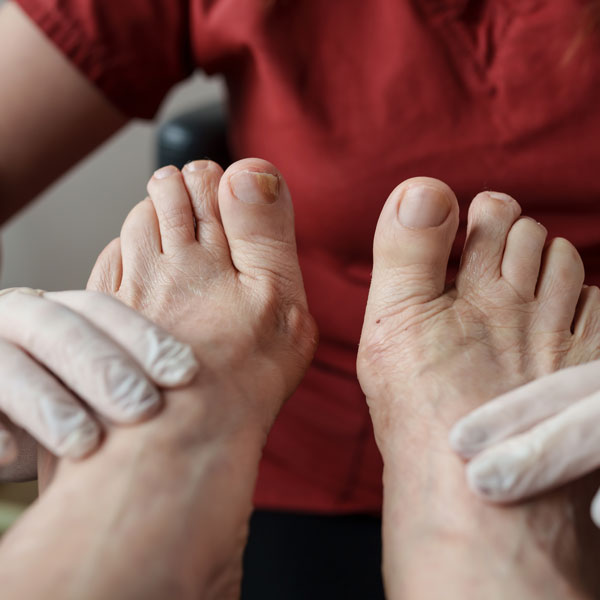
What Causes a Neuroma?
The exact cause of a neuroma isn’t always clear, but several factors can contribute to increased pressure or irritation of the nerve.
Common causes include:
- Foot structure issues, such as high arches or flat feet
- Abnormal foot mechanics, which create instability around the toe joints
- Foot injuries or trauma that irritate or damage the nerve
- Tight or narrow shoes that squeeze the toes together
- High‑heeled shoes, especially those over two inches
- Repetitive stress from certain jobs, sports, or activities
Over time, this added pressure causes the nerve to thicken, leading to pain and discomfort.
Neuroma Symptoms
Neuroma symptoms may start mild and gradually worsen. Common signs include:
- Pain in the ball of the foot, especially when walking
- Pain or burning between the toes
- Tingling or numbness in the toes
- Swelling or tenderness between the toes
- Increased pain when wearing tight or narrow shoes
Many people find temporary relief by removing their shoes and massaging the foot.
Home Treatment for Neuroma Pain
Mild neuroma symptoms may improve with simple at‑home care, including:
- Wearing shoes with a wide toe box and low heels
- Choosing shoes with thick, cushioned soles
- Using supportive insoles or arch supports
- Avoiding high heels over two inches
- Resting the foot and massaging the painful area
- Applying ice packs to reduce inflammation
- Using over‑the‑counter foot pads to relieve pressure
These steps can help reduce discomfort, but they may not fully resolve the condition.
When to See a Podiatrist for a Neuroma
You should see a podiatrist at the first signs of ongoing foot pain, especially pain in the ball of the foot that does not improve with shoe changes or rest.
Without treatment, neuromas often become more painful and harder to treat, increasing the likelihood of needing more advanced care.
Diagnosis and Neuroma Treatment Options
Your podiatrist will examine your foot and may use imaging, such as X‑rays, to rule out other conditions. Treatment depends on the severity of the neuroma.
Non‑Surgical Neuroma Treatments
Early treatment focuses on relieving pressure on the affected nerve and may include:
- Padding or taping to improve foot positioning
- Anti‑inflammatory medications
- Corticosteroid injections to reduce pain and swelling
- Custom orthotics to correct foot mechanics and prevent worsening
Many patients find symptom relief with conservative treatment when neuromas are diagnosed early.
Neuroma Surgery
If non‑surgical treatments do not provide relief, neuroma surgery may be recommended. This outpatient procedure removes the inflamed portion of the nerve.
- Performed on an outpatient basis
- Recovery typically takes a few weeks
- Pain is usually well controlled with medication
Your podiatrist will explain the procedure, recovery timeline, and expected results in detail.
Preventing Neuromas
While not all neuromas can be prevented, these steps may reduce your risk:
- Wear shoes with enough room in the front of the shoe
- Avoid shoes with narrow toe boxes
- Limit time spent in high‑heeled shoes
- Use supportive footwear with cushioning in the ball of the foot
- Address foot pain early before symptoms worsen
Get Relief from Ball of Foot Pain
If neuroma pain is interfering with walking, exercise, or daily comfort, a podiatrist can help identify the cause and recommend the right treatment. Early care often prevents progression and helps you stay active and pain‑free.