
Bunion Treatment and Pain Relief in Appleton WI
Bunion: Causes, Symptoms, and Treatment
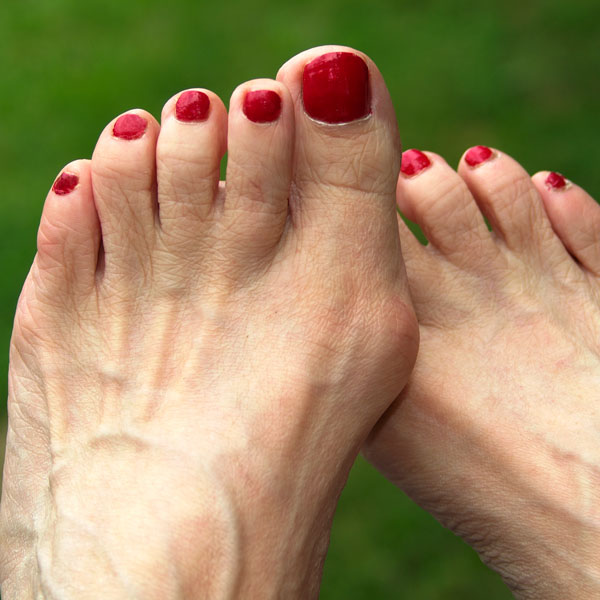
A bunion is a bony bump that forms on the joint at the base of the big toe, called the metatarsophalangeal (MTP) joint. A bunion develops when the big toe slowly shifts toward the smaller toes, forcing the joint outward. This creates a visible bump that can become painful, swollen, and irritated—especially when wearing shoes.
Because the big toe joint supports much of your body weight while walking, untreated bunions can lead to ongoing discomfort and difficulty with everyday activities. Over time, the joint may become stiff and sore, making it hard to find comfortable shoes.
A similar condition can occur on the outside of the foot, at the base of the little toe. This is called a bunionette or tailor’s bunion.
What Causes Bunions?
Bunions develop when the natural balance of forces acting on the foot becomes disrupted over time. This causes instability in the big toe joint and leads to changes in bone alignment.
Common causes of bunions include:
- Inherited foot structure (such as flat feet or low arches)
- Poor foot mechanics or the way you walk
- Long‑term pressure on the big toe joint
- Wearing tight, narrow, or ill‑fitting shoes
- Foot injuries or trauma
- Arthritis or inflammatory joint conditions
While bunions often run in families, it’s the foot type that is inherited—not the bunion itself. People with certain foot structures are more likely to develop bunions over time.
Tight shoes that crowd the toes—especially high heels—are a common contributing factor. This helps explain why bunions are more frequently seen in women.
Bunion Symptoms
Common signs and symptoms of bunions include:
- A visible bump or swelling at the base of the big toe
- Redness, tenderness, or pain around the joint
- Calluses or thickened skin from shoe friction
- Corns caused by overlapping toes
- Limited or painful movement of the big toe
- Development of hammertoes or pain in the ball of the foot
Bunion pain often worsens with walking, standing for long periods, or wearing tight shoes.
Home Care for Bunion Pain
Early bunion symptoms may improve with simple at‑home care, including:
- Using a non‑medicated bunion pad to reduce shoe pressure
- Placing a toe spacer between the big toe and second toe
- Wearing shoes with a wide, deep toe box
- Applying ice packs to reduce swelling and inflammation
- Avoiding high‑heeled shoes over two inches tall
While home care can ease discomfort, it does not correct the bunion or stop it from progressing.
When Should You See a Podiatrist?
You should see a podiatrist if you notice a bump forming on your toe joint or if bunion pain interferes with your daily activities. Bunions typically worsen over time if left untreated and may lead to additional foot problems.
Early evaluation allows your podiatrist to recommend treatments that may slow progression and relieve pain.
Bunion Diagnosis and Treatment Options
Your podiatrist will examine your foot and may take X‑rays to determine the severity of the bunion and joint alignment. Treatment depends on your symptoms, activity level, and the extent of the deformity.
Non‑Surgical Bunion Treatments
Conservative treatments are often recommended first and may include:
- Padding and taping to reduce pressure and discomfort
- Anti‑inflammatory medications or corticosteroid injections
- Physical therapy, including ultrasound therapy
- Custom orthotics to improve foot alignment and reduce stress on the joint
These treatments help relieve symptoms and slow progression but do not permanently correct the deformity.
Bunion Surgery
If conservative treatments no longer provide relief and the bunion continues to worsen, bunion surgery may be recommended. Several surgical options are available, depending on the severity of the deformity.
- Simple bunionectomy: Removes the bony bump for mild cases
- Corrective surgery: Involves realigning the bone and joint for more severe bunions
Recovery varies based on the procedure. Swelling and discomfort are common for several weeks, but pain is typically well managed with medication. Following your podiatrist’s postoperative instructions is key to a successful recovery.
Preventing Bunions and Slowing Progression
You may reduce your risk of developing bunions—or slow worsening—by:
- Wearing shoes with a wide toe box
- Avoiding narrow, pointed, or high‑heeled shoes
- Using supportive footwear
- Wearing custom orthotics if recommended
- Seeing a podiatrist at the first signs of toe deformity
Get Expert Care for Bunion Pain
If bunion pain is affecting your comfort or mobility, a podiatrist can help determine the best treatment options for your feet. Early care often leads to better outcomes and can help you stay active and comfortable.